
Otis Fashion Design BFA Review and First-Year Portfolio Options
Fashion school admissions blog · Reviewed November 22, 2026
Imagine a designer reviewing your favorite sketch and asking you to keep the silhouette while changing the customer, the fabric and the way it closes. Would you want another pass at the drawing? The mentor structure at Otis College of Art and Design gives a Los Angeles fashion student practice with that kind of revision. The first-year application presents a different choice, between an open portfolio and one built around specific prompts.
What mentor-led fashion study looks like
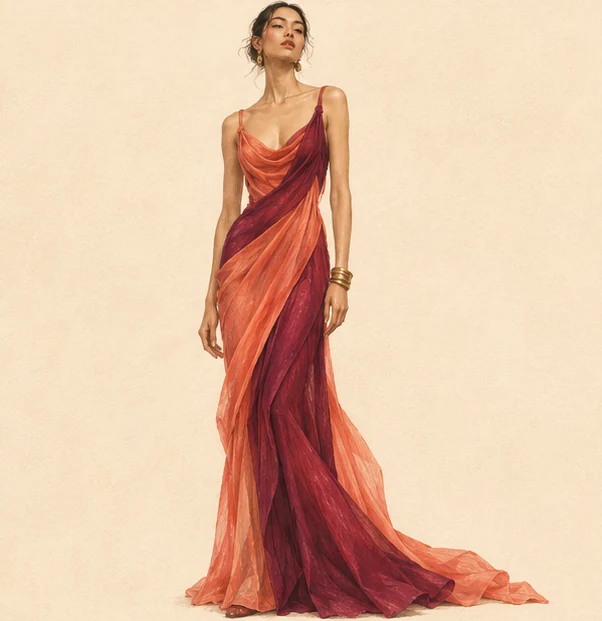
Otis describes junior and senior projects shaped by professional mentors and developed with faculty. Mentors can critique sketches, design development and fittings. The catalog combines garment construction, textiles and patternmaking with digital tools, and describes opportunities to work in teams. Mentor availability and project direction can change. Look at a documented past brief to understand the process and ask what the current cohort is working on. Otis Fashion Design BFA catalog Industry mentor projects
Notice what might be difficult about this approach. You may care deeply about an aesthetic decision that conflicts with the brief. A productive response is to identify what matters most to you and see how many other elements you can change. Students who like designing under constraints may find that process energizing. If you want sustained independent authorship, ask how the program balances mentor direction with personal work.
Otis portfolio requirements for high school applicants
The open BFA route calls for ten to twenty images of recent work in any medium. The structured route specifies three portrait images, four images for a personal narrative and three images of significant places. At least three of the images in the structured option should use traditional, non-digital media. The school provides labeling instructions and describes how additional personal work may be included. Use the full official prompt before beginning. Undergraduate portfolio requirements
Choose your route by laying out the work you already have. If the open edit gives you a convincing group, there is no reason to switch just because the structured list looks more concrete. If you keep returning to people and places you know intimately, the structured route may help you develop that interest with care. Check both the materials rules and the prompt labels when planning your final upload.
What a coherent four-image narrative can do
Imagine documenting the final night before a family-run shop closes. The first image might establish the space. The second might focus on the owner folding an apron. A third could show the empty outline where a sign once hung. The last could revisit the entrance the following morning. This is an example of pacing for the structured route, not an Otis assignment. Build the actual narrative from an event you know and from work you make yourself.
Read the images in reverse. If the sequence makes just as much sense backward, consider whether anything changes over time. A narrative benefits from an action, a shift in viewpoint or a consequence. For an open portfolio, a comparable edit might connect a drawing, a textile test and a garment while leaving space for unrelated work with its own strengths.
What to ask before enrolling
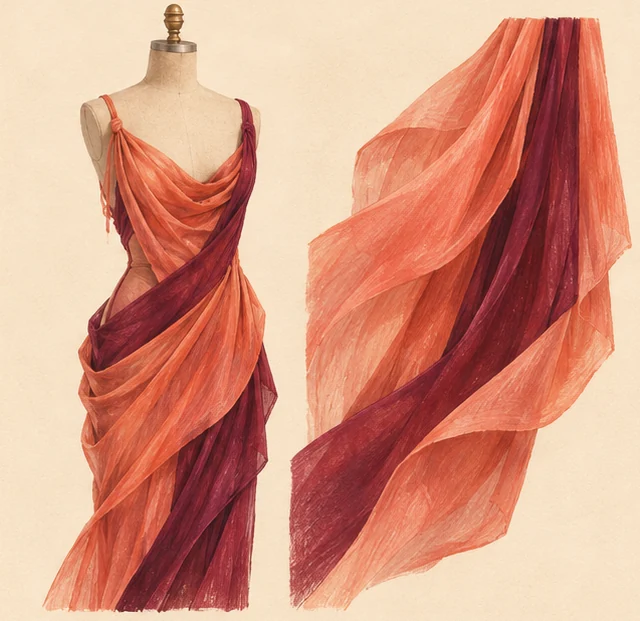
When you visit, ask how students receive feedback at sketch selection and how much time they have for a second fitting. Ask which sample-making expenses students cover and how the school supports a team when members contribute different skills. The answers reveal more about daily studio life than a list of mentor names. For a different kind of professional experience, compare the mentor-led project with a co-op placement at Drexel or Cincinnati.
Can I include digital work in the Otis portfolio?
The open option accepts work across media. The structured route has a specific traditional-media component. Otis also publishes guidance about AI use and disclosure. Read that policy yourself before deciding how to develop or describe a work. Keep the physical or digital originals so you can explain the process behind your images. Undergraduate portfolio requirements
Continue your portfolio research
Read the School of the Art Institute of Chicago review or compare all ten U.S. fashion design programs. For feedback on your own draft, see Helen Sotropa’s private fashion portfolio review.