
SAIC Fashion Design Review for Applicants Working Across Art and Clothing
Fashion school admissions blog · Reviewed November 22, 2026
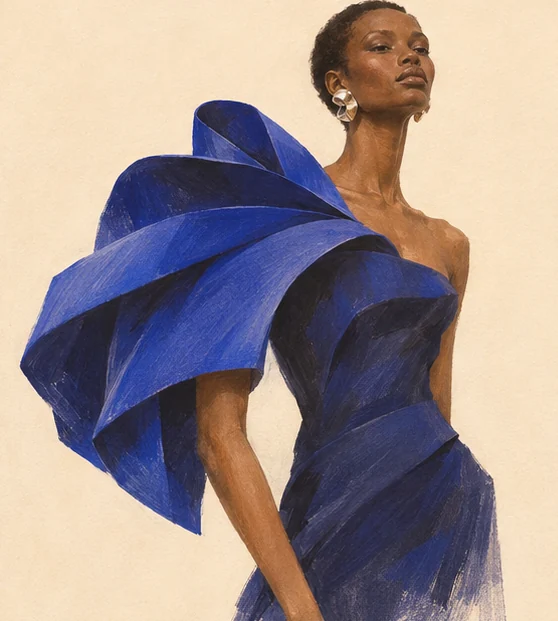
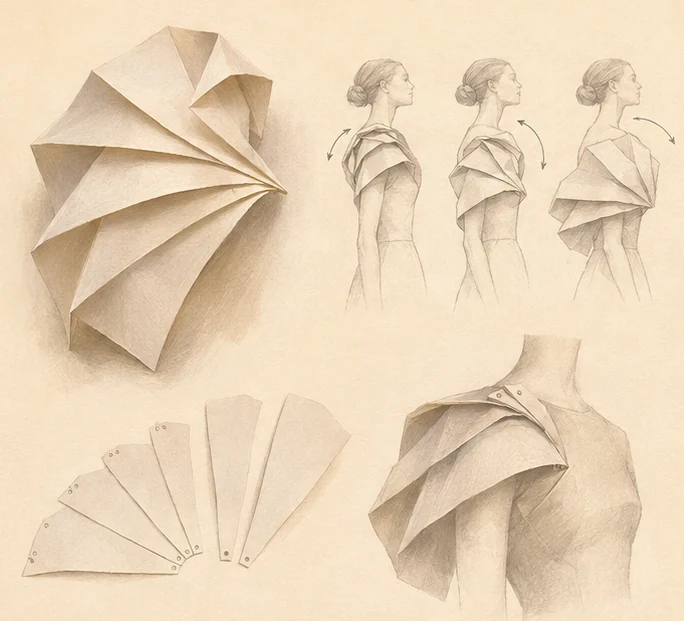
A wearable sculpture can look convincing on a stand and behave very differently on a person. The instant the wearer turns, the object has to negotiate weight, balance and space. If that moment is the part you most want to investigate, the School of the Art Institute of Chicago offers an undergraduate route worth examining. At SAIC, fashion can sit inside a larger BFA practice that includes performance, objects and garment making.
Choosing between the two undergraduate pathways
After completing Contemporary Practices requirements, BFA students can concentrate in Fashion Design. The Fashion Design and Construction pathway sequences studio work through sophomore, junior and senior levels, with co-taught design and construction. Drawing, draping, patternmaking and garment construction develop together. A student who wants technical continuity and regular studio progression has a clear reason to examine this route. Undergraduate fashion pathways
The Body-Builder pathway allows students to shape a direction through electives in areas such as accessories, knitwear, illustration and performance-related design. Freedom brings a practical responsibility. You will need to plan how the courses build on each other. Ask an advisor to sketch what a sequence might look like for a student interested in both performance and patternmaking. Compare that timetable with the construction pathway before deciding which model suits you. Undergraduate fashion pathways
How SAIC reads a BFA application portfolio
The undergraduate portfolio calls for ten to fifteen works. For the studio BFA, the school permits work in a single medium or across media. Its guidance encourages related pieces and pays attention to ideas as well as execution. You can use this flexibility to develop a concern over several works. Keep the application requirements for your intended degree open when deciding what to upload. Portfolio requirements by degree Undergraduate admissions FAQ
A series becomes interesting through the differences between its pieces. Consider three objects designed around the reach of an arm. If all three photographs show the same frontal pose, they may read as minor variations. One view from overhead could explain reach. Another could show the joint that limits movement. A third might reveal how the wearer adapts. Give each piece a purpose in the sequence and state who fabricated, performed and photographed it.
A useful way to document movement
Set a camera at one fixed angle and record the object moving into and out of its resting position. Watch the footage without sound. Identify the instant that makes the idea clear. If a single frame does the job, it may work as a still. If timing changes the meaning, check SAIC’s submission instructions for the appropriate media format and edit a short excerpt. A long introduction makes it harder to see the feature you are asking a reader to notice.
Write a two-sentence caption. The first sentence can identify the object, material and your role. The second can name the physical or artistic question. Show the page to someone outside your art class. If they can describe the question in their own words, you have given the viewer a way into the work.
Who should put SAIC on a shortlist?
Students moving among visual art, stage work and clothing may appreciate this flexibility. Students seeking a tightly prescribed progression should look particularly closely at the construction sequence and its prerequisites. At a campus visit, ask how critique works when one student presents a garment and another presents an object for performance. The faculty’s answer can tell you which kinds of thinking the studio expects you to develop.
Will focusing on one medium narrow my application too much?
SAIC permits a single-medium studio portfolio. What matters in your edit is what a reader can discover across the works. If you use one technique repeatedly, show how you put it to different expressive or structural uses. Portfolio requirements by degree
Continue your portfolio research
Read the Otis College of Art and Design review or compare all ten U.S. fashion design programs. For feedback on your own draft, see Helen Sotropa’s private fashion portfolio review.