
FIT Fashion Design AAS Review and Portfolio Requirements
Fashion school admissions blog · Reviewed November 22, 2026
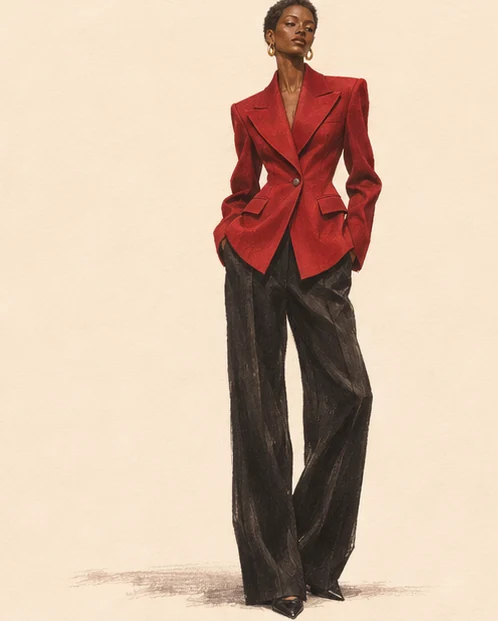
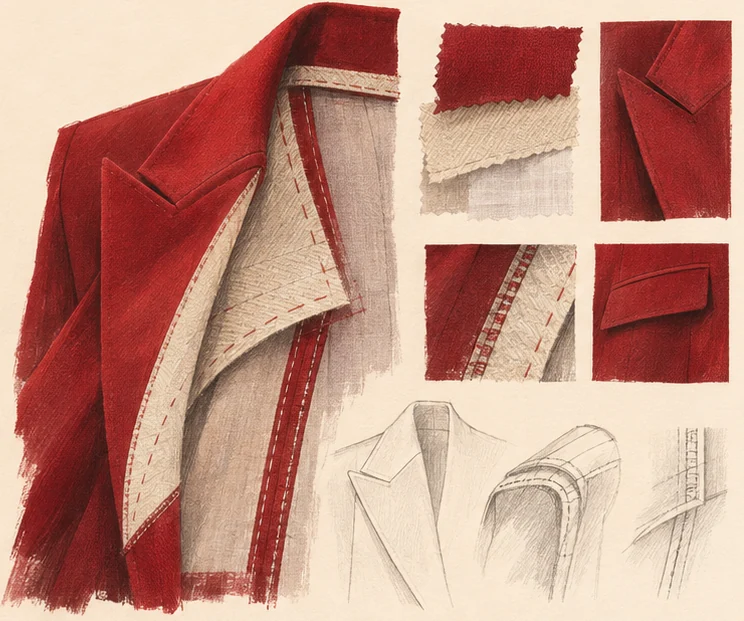
The most revealing photograph in an FIT portfolio may be the one you take after turning a garment inside out. A tidy-looking exterior can hide how a zipper was inserted or a waistband secured. FIT asks applicants to show enough of their garments for the reader to examine the making. If you enjoy thinking through those details, its New York Fashion Design program deserves a close look.
Why the AAS is the place to start
Students applying from high school generally begin by investigating the associate in applied science. FIT builds fashion design through two-dimensional and three-dimensional work. Its degree curriculum distinguishes the AAS routes from later BFA study, including specializations such as Knitwear and Sportswear. When comparing FIT with a four-year BFA, put both FIT stages on your planning sheet. Ask admissions about eligibility and application steps for the later degree. Fashion Design degree curricula FIT Fashion Design AAS portfolio instructions
Read the FIT portfolio brief for your entry term
The published general AAS directions include a short essay, design projects and a sewing submission. They call for coordinated separates, original figures in color, technical back views and actual fabric swatches. For sewing, FIT asks for photographs of two machine-sewn garments with front, back and interior views. Its directions allow commercial patterns for the sewn garments. The school also publishes a separate Spring 2027 brief. Open your own term’s page or submission portal before you finalize subjects, counts or file arrangements. FIT Fashion Design AAS portfolio instructions Spring 2027 applicant instructions
Do a practical inventory first. Make one row for each required view. Beside it write the garment, the file you intend to use and the missing work. Seeing two blank rows for interior views tells you to organize a photography session. Discovering that a back flat has no corresponding front design tells you to return to the drawing board. This distinction can save a weekend close to submission.
Test the drawings against the garments
A technical flat is where a design has to explain itself without the figure doing any of the work. Trace the design with your eyes from collar to hem. If a seam disappears at the side in front, where does it go in back? Where is the closure? Could the wearer get into the garment you drew? A back view that answers these questions adds information even when the front is visually more striking.
For the sewing images, use a plain background and enough light to distinguish thread from fabric. Take the required whole-garment views before moving in for details. On a dark garment, an interior seam may disappear into a black photograph. Move the light sideways and check the result on a laptop. A modest garment whose construction you can show clearly gives the audience something real to assess.
Is FIT right for a student who already sews?
It can be an especially satisfying choice if you enjoy moving back and forth between illustration, fabric and construction. Sewing experience alone will leave gaps if you give the written and design components little attention. Families should also ask what tools, materials and studio access students need in the AAS, and how an eventual BFA specialization changes the course plan.
Can someone help me prepare the FIT submission?
Use the official instructions to determine what feedback and tools are appropriate. FIT restricts generative AI in developing portfolio concepts, imagery and the essay, while allowing ordinary mechanical editing tools. Keep authorship clear. An outside reader can flag a photograph that is too dark or a flat they cannot understand. Make the design and writing decisions yourself. FIT Fashion Design AAS portfolio instructions
Continue your portfolio research
Read the Parsons School of Design review or compare all ten U.S. fashion design programs. For feedback on your own draft, see Helen Sotropa’s private fashion portfolio review.