
RISD Apparel Design BFA Review and First-Year Portfolio Guide
Fashion school admissions blog · Reviewed November 22, 2026
RISD uses the name Apparel Design for its undergraduate fashion program. That name is worth remembering when looking up the degree. For the application itself, start with RISD’s first-year portfolio instructions. Together, the two pages answer different questions about what you might study in Providence and what evidence of your creativity you can send today.
From bodily ornament to knitwear
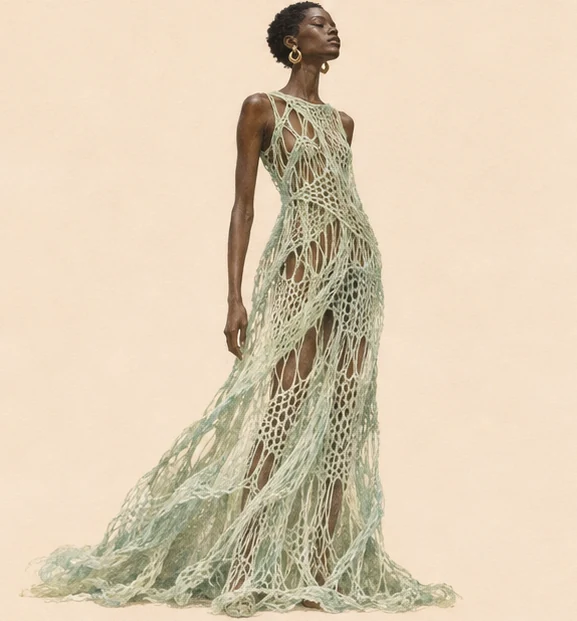
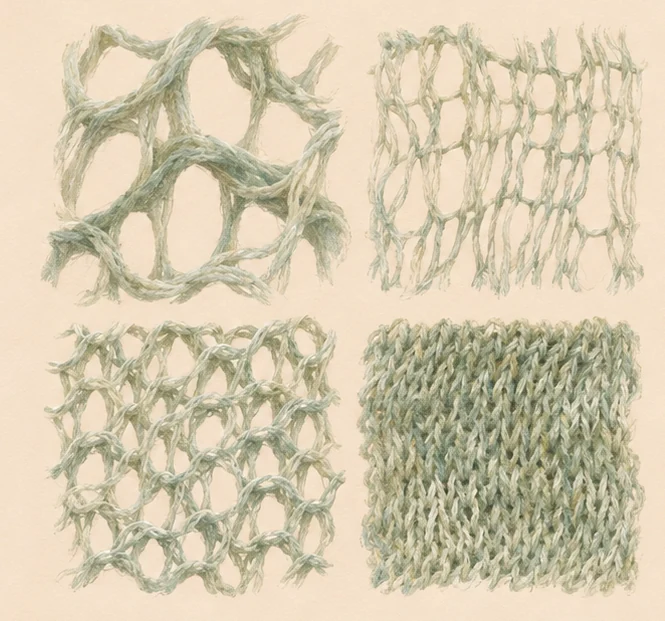
The four-year BFA connects the making of clothes with questions about how people inhabit and present their bodies. Sophomore studios introduce apparel and ornament alongside design and construction. In the junior year, hand knitting and machine knitting offer ways to shape a material in three dimensions. That is a meaningful distinction for a student who generally imagines a garment first and shops for fabric afterward. Here, a change to the fabric itself might generate the silhouette. Apparel Design BFA curriculum Apparel Design department
A good test of fit is to ask which part of an experiment you want to repeat. If a sample stretches unevenly, would you discard it and look for a predictable fabric, or try a second stitch to learn what caused the distortion? Both are legitimate design instincts. The student who wants another afternoon with the sample has a concrete reason to investigate this curriculum. Ask the department when students gain access to particular tools and what support is available as they move from samples to garments.
What to show in a RISD first-year portfolio
RISD asks for twelve to twenty samples. It offers portfolio events and opportunities for feedback before submission. A portfolio day is a chance to ask questions and revise. The school makes clear that these events do not constitute admission decisions. If you attend one, bring an unfinished edit while you still have time to act on what you hear. First-year portfolio preparation and feedback
Think of a sample as evidence. A large charcoal drawing may demonstrate how you observe volume. A set of small constructed objects may show persistence with a particular problem. A photograph of a garment tells the reader about the garment only to the extent that the photograph lets the reader see it. Decide what each work contributes before deciding its position in the sequence.
Photographing a material that changes when worn
Take a strip of open knitting or a pleated paper form. Photograph it flat, then suspend it from two points so gravity changes its shape. Put the two images beside each other. If the change is subtle, include a consistent point of reference or use the same camera position. If one view explains everything, give that view more space. Document your actual experiment and name the material in the caption.
Now choose an unrelated piece to place after it. A sculpture with a hollow center may carry the idea of negative space into another medium. A drawing of tree roots may continue a rhythm the reader saw in the stitches. The connection can be visible without a long written explanation. Ask a friend to describe the connection they actually see. Their answer will tell you whether the sequence is working.
Choosing RISD and preparing for critique
RISD is a strong candidate for someone drawn to an art-school environment and willing to investigate how a material behaves over time. When comparing it with Parsons, look at the middle years of each degree. RISD’s knitwear study and Parsons’ fashion pathways suggest different studio routines. On a visit, ask to see a material test beside the resolved work. That pair can tell you more about the student experience than an isolated finished image.
Can I include work made outside fashion class?
Yes. Read RISD’s first-year guidance across media and select evidence of your own thinking and making. For someone with little access to a sewing studio, drawing, paper construction and carefully documented handwork can form a serious investigation. State what you made and how, and let the images carry the argument. First-year portfolio preparation and feedback
Continue your portfolio research
Read the Pratt Institute review or compare all ten U.S. fashion design programs. For feedback on your own draft, see Helen Sotropa’s private fashion portfolio review.